Malnutrition and Goals of Care: Advance Directives and End-of-Life Conversations

Über den Vortrag
Der Vortrag „Malnutrition and Goals of Care: Advance Directives and End-of-Life Conversations“ von Kimberly Posey, AGPCNP-BC, DNP, PhD, GS-C ist Bestandteil des Kurses „Management of Gastrointestinal System Disorders in the Older Adult“.
Quiz zum Vortrag
When patient goals shift from life preservation to quality of life in malnutrition cases, what is the most important initial step a provider should take?
- Understand what quality of life means specifically to the patient.
- Immediately recommend artificial nutrition support options.
- Document the patient's current nutritional intake levels.
- Consult with the hospital ethics committee for guidance.
- Review the patient's most recent laboratory values closely
What relationship exists between nutritional status and a patient's vulnerability to additional illness in cases of severe malnutrition?
- Poor nutritional reserve leaves patients clinically frail with minimal ability to recover from additional medical events.
- Adequate caloric intake alone can prevent all future hospitalizations and complications.
- Nutritional status has no measurable impact on the patient's risk for complications.
- Weight stabilization guarantees full recovery from chronic kidney and liver disease.
- Anemia and hypoalbuminemia can be reversed through supplements alone without changes.
In which clinical context is artificial nutrition support most appropriate?
- In an acute post-surgical setting where the patient has good prognosis, wants aggressive intervention, and has strong recovery odds
- In situations where patients have documented advance directives refusing artificial nutrition
- When patients are elderly and living alone regardless of their current medical status
- In end-of-life situations where patients are no longer able to communicate preferences
- When patients refuse all oral intake due to poor appetite from depression alone
When should providers begin having conversations about artificial nutrition and end-of-life wishes with patients diagnosed with serious chronic illnesses?
- As soon as the patient is able to absorb the reality of their diagnosis
- Only when the patient is admitted to the hospital for an acute event
- When the patient reaches the hospice stage of their illness trajectory
- After the patient has experienced their first major complication from disease
- When family members specifically request such discussions be initiated
Which of the following represents an appropriate individualized approach to discharge planning for a malnourished patient?
- Discussing goals of care, exploring nutrition preferences, and arranging multiple support options
- Automatically prescribing appetite stimulants and supplements without patient input or discussion
- Discharging the patient home immediately since physical criteria for discharge have been met
- Requiring a permanent feeding tube placement before any discharge can occur safely
- Ignoring poor intake patterns since the patient's weight has stabilized recently
When transitioning patient goals from life preservation to quality of life in malnutrition, which three elements should providers specifically explore?
- Clarifying what the patient wants, answering questions about outcomes, and discussing implications for end-of-life decisions
- Obtaining insurance information, scheduling follow-up appointments, and reviewing past medical history comprehensively
- Determining family preferences, consulting hospital administrators, and adjusting medications appropriately
- Ordering laboratory tests, referring to specialists, and documenting nutritional intake patterns
- Assessing cognitive function, evaluating functional mobility, and reviewing medication allergies
Diese Kurse könnten Sie interessieren

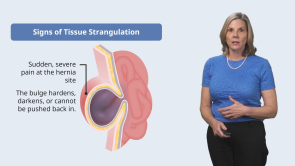
Dozent des Vortrages Malnutrition and Goals of Care: Advance Directives and End-of-Life Conversations

Kimberly Posey, AGPCNP-BC, DNP, PhD, GS-C
Dr. Kim Posey is the Director of Graduate Nursing and an Associate Professor of Professional Practice at Texas Christian University.
She has achieved dual doctoral status, holding both a Ph.D. and a DNP in nursing. She is dual certified as an Advanced Adult Nurse Practitioner and Gerontological Nurse Practitioner and holds a certification in nursing education. As a Gerontological Specialist certified by the Gerontology Nursing Certification Commission she is recognized as an APRN who possesses expert knowledge, experience, and skill in managing the complex health needs of older adults. In addition to this impressive educational background, she maintains active clinical practice with adult and geriatrics patients in the primary care area.
At Lecturio, Dr. Posey teaches Gerontology for the advanced practice nurse.
Kundenrezensionen
5,0 von 5 Sternen
| 5 Sterne |
|
5 |
| 4 Sterne |
|
0 |
| 3 Sterne |
|
0 |
| 2 Sterne |
|
0 |
| 1 Stern |
|
0 |


